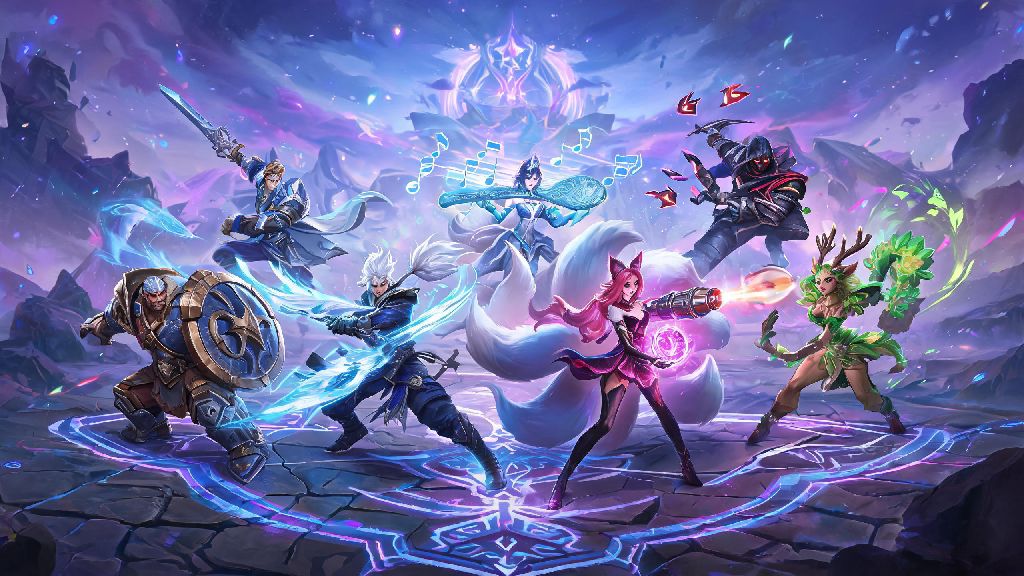
If you've just downloaded League of Legends and jumped into your first practice tool match, one of the first questions you'll probably ask is how many champions League of Legends has to choose from. It's a fair question, too: Riot Games adds new characters every few months, so the count is always growing, and it can be overwhelming to sort through all the options when you're first starting out. This guide will break down the current total, split champions by role, explain release patterns, and give you actionable tips to narrow down your first few main picks without wasting hours testing every single character.
How Many Champions League of Legends Has in the Current Patch
Riot doesn't make a big announcement about the total champion count every patch, so it's easy for the number to slip under the radar for casual and new players. The count only changes when a new champion is released or a completely retired character is added back to the roster, which almost never happens these days. As of the latest live patch, the total number of playable League of Legends champions sits at 167.
This count does not include limited event-only characters like the Apex bot from the old Odyssey event, or alternate skin variants that function as separate characters in special game modes like Nexus Blitz. It also doesn't count champion form swaps as separate entries: even if Kayn has two completely different playstyles depending on which form you unlock, or Elise switches between human and spider form, each base character only counts once toward the total. You might see higher numbers floated around online, but those almost always count these edge cases that don't apply to standard ranked or normal match lobbies.
Champion Breakdown by Core Role
All 167 champions are sorted into 5 core roles that fit standard Summoner's Rift team compositions. Understanding these roles will help you narrow down which champions are worth trying first, based on what you enjoy doing in matches. The total count per role adds up to more than 167, because many champions fit multiple roles depending on build and playstyle:
It's totally fine to play a champion outside of their recommended role if you find a build that works for you, but sticking to the standard role assignments when you first start will make it easier to learn core game mechanics without confusing yourself.
Tips for Picking Your First Main Champion
With 167 champions to choose from, it's easy to get stuck in "analysis paralysis" where you test half a dozen characters every week and never get good at any of them. Most veteran players recommend sticking to 2-3 main champions when you first start, so you can learn their kits inside and out without splitting your focus. You'll climb ranked faster and have more fun if you know exactly what your character can do in every fight, instead of fumbling with new ability cooldowns every match.
If you want to experiment with different champions without risking your ranked MMR, you can test characters in the practice tool, play unranked blind pick matches, or even take quick breaks between practice sessions to try out casual pick'em games that let you guess champion stats and abilities for fun. A lot of players I know use Share Slots for these quick casual breaks, since it fits neatly into 10 minute gaps between matches and helps you reset before your next queue pop.
When picking your first main, prioritize champions with simple, easy-to-learn kits first, like Garen, Ashe, or Annie, instead of jumping straight to high-skill cap characters like Azir or Aphelios. You'll learn core game mechanics faster if you're not fighting to remember 10 different ability interactions every time you load into a game. Don't feel pressured to pick meta champions when you first start -- meta shifts every patch, but the skills you learn on your main will transfer to other characters down the line, even if your pick falls out of favor with pro players. If you're not sure what role you like best, you can take the official Riot role quiz in the client, which will recommend a few champions to try based on your preferred playstyle.
How Riot Games Expands the Champion Roster Over Time
Riot used to release a new champion every 2-3 months back in the early days of League of Legends, but they've slowed that pace down to 3-4 new champions per year in recent patches. The team has said they want to focus on making each new champion feel unique and fit into the game's existing lore, instead of pumping out new characters just to grow the roster count. They also spend just as much time reworking old, outdated champions as they do making new ones, to make sure every character on the roster feels viable and fun to play.
Most new champions are designed to fill gaps in the current roster, for example, when Riot noticed there were very few enchanter supports that could play aggressively, they released Milio to fill that gap. They also take community feedback into account when planning new characters, so if a lot of players ask for a certain type of champion, Riot will often prioritize that in their development roadmap. Every new champion is tested for several weeks on the public PBE server before release, so players can give feedback and Riot can adjust their balance before they hit live lobbies.
One thing to note is that new champions are always priced at 7800 Blue Essence for the first week after release, then drop to 6300 Blue Essence after that, so you can save your in-game currency if you don't mind waiting a few days to play the newest character. Riot has no plans to stop adding new champions any time soon, but they have said they will keep the release pace slow to avoid bloating the roster so much that new players can't keep up with all the ability interactions.
Whether you're a new player trying to pick your first main or a returning veteran curious about how the roster has grown, the question of how many champions League of Legends has is just the starting point for exploring all the different playstyles the game has to offer. Take your time testing different characters, don't be afraid to stick to what you enjoy even if it's not meta, and you'll find your perfect main in no time.