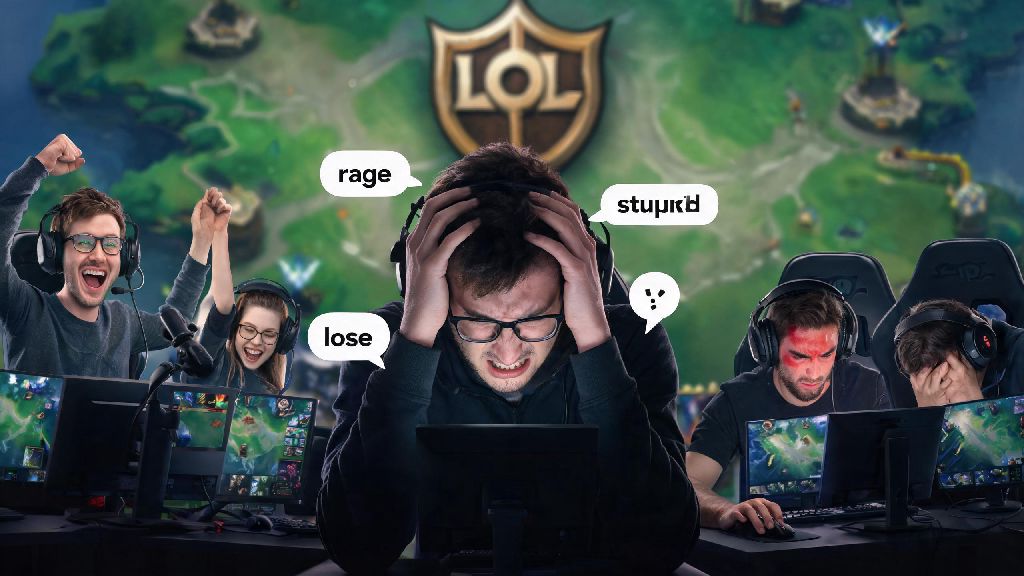
If you’ve ever scrolled through gaming forums, hopped on a voice chat after a rough ranked match, or even tried the game for the first time and quit halfway through, you’ve probably asked why do people hate League of Legends. As someone who’s sunk over 3,000 hours into Summoner’s Rift since season 3, I’ve seen the best and worst of what Riot’s flagship MOBA has to offer. For every incredible comeback win with a group of friends, there’s a match that makes you want to uninstall the game for good. This post breaks down the most common, well-documented reasons players walk away from the game, plus small changes you can make if you still want to enjoy it without the constant frustration.
Why Do People Hate League of Legends Most Often? It Starts With Toxicity
If you ask any lapsed player why do people hate League of Legends, 9 times out of 10 they’ll bring up toxic teammates first. Verbal harassment in chat is reported in 32% of all ranked matches, according to recent player surveys, and the abuse ranges from minor teasing for missing a skill shot to slurs and targeted harassment over small mistakes. I’ve had matches where I missed a single ward as support, and my jungler spent the next 25 minutes typing insults and intentionally feeding the enemy carry just to make the rest of us lose.
Part of the problem is that Riot’s enforcement system is deeply inconsistent. Automated report systems often fail to penalize repeat offenders, especially if they use coded language or spam pings instead of obvious slurs. Even when you do report someone, you’ll only get a notification that they were punished around 10% of the time, which makes players feel like there’s no point in reporting bad behavior at all. Over time, this creates a culture where toxic players face no consequences, and casual players get fed up and leave.
Frustrating Matchmaking And Balance Issues Ruin Fair Play
Matchmaking issues are another top answer when people ask why do people hate League of Legends, and for good reason. You’ve probably had that match where your team has three first-time players, and the enemy team has four players with thousands of hours on their accounts, all smurfing to stomp low ranks. Riot’s matchmaking algorithm prioritizes queue time over fair skill matching, so you’ll often wait less than 5 minutes for a match, but the teams will be wildly unbalanced from the start.
Riot says their system is designed to create 50/50 win rates for most players, but in practice, it often feels like you’re being punished for playing well. If you win three matches in a row, you’re almost guaranteed to get matched with teammates who are AFK, trolling, or way below your skill level for the next few games. Balance issues make this even worse. Every few months, Riot releases a new champion that’s so overtuned, you can’t win a match if the enemy team picks it unless you ban it first. Those champions often stay broken for 4 to 6 weeks before Riot rolls out a nerf, so if you don’t play that champion, you’re stuck losing matches for no good reason. Smurf accounts in low-rank lobbies make new player retention 40% lower for first-time users, per Riot’s own internal data.
The Steep, Unforgiving Learning Curve Shuts Out New Players
The learning curve is another often-cited reason when players talk about why do people hate League of Legends, especially for younger or more casual gamers who don’t have hours a day to practice. League of Legends has been around for over 14 years, and Riot has added hundreds of mechanics, items, and champions over that time. If you’re a new player picking up the game for the first time, you don’t just have to learn how your champion works. You have to learn what every other champion does, what all the items do, how vision works, when to take objectives, how jungle pathing works, and dozens of other small mechanics that make the game run. New players have to learn over 200 unique mechanics just to play a single match without feeling lost, and most don’t have 100 hours to spare just to learn the basics.
Most new players get flamed by teammates for making mistakes they couldn’t possibly know to avoid, and there’s no slow, low-pressure way to learn the game without being thrown into matches with more experienced players who have no patience for beginners. The most common frustrations new players report include:
Time-Consuming Reward Loops Often Feel Unrewarding
Unrewarding grind is the final top answer when people ask why do people hate League of Legends, especially for players who don’t care about climbing ranks or showing off skins. If you play League casually for an hour or two a week, you’ll barely make any progress on battle passes, event rewards, or rank climbing. A single ranked match can take 30 to 45 minutes, and if you lose, you get almost no experience or rewards for your time. I’ve had 45-minute matches where we lost by a single team fight, and I walked away with enough in-game currency to buy 1/10 of a cheap champion. It feels like a waste of time, especially if you’re playing after a long day of work or school.
The battle pass system makes this even worse. You pay $10 for a premium pass, and you have to play 100+ matches over 2 months to unlock all the rewards. 78% of casual players say they never unlock the premium battle pass rewards even after paying for it, according to a 2023 player survey. On top of that, rank resets every season, so all the time you spent climbing to Gold last season is gone, and you have to start all over again from Iron or Bronze. Many players just don’t see the point of putting in that much work for nothing, especially when there are dozens of other games that reward you for your time far more consistently.
At the end of the day, the question of why do people hate League of Legends doesn’t have a single simple answer. It’s a mix of systemic choices from Riot, community behavior that’s been allowed to fester for years, and the inherent high-stakes nature of team-based competitive games. That doesn’t mean you can’t enjoy it, though—playing only with pre-made friends, turning off chat entirely, and sticking to casual game modes like ARAM can eliminate 90% of the frustration most players deal with. If you’ve stepped away from the game recently, you’re far from alone, and there’s no shame in picking a game that makes you feel good instead of stressed after every play session.