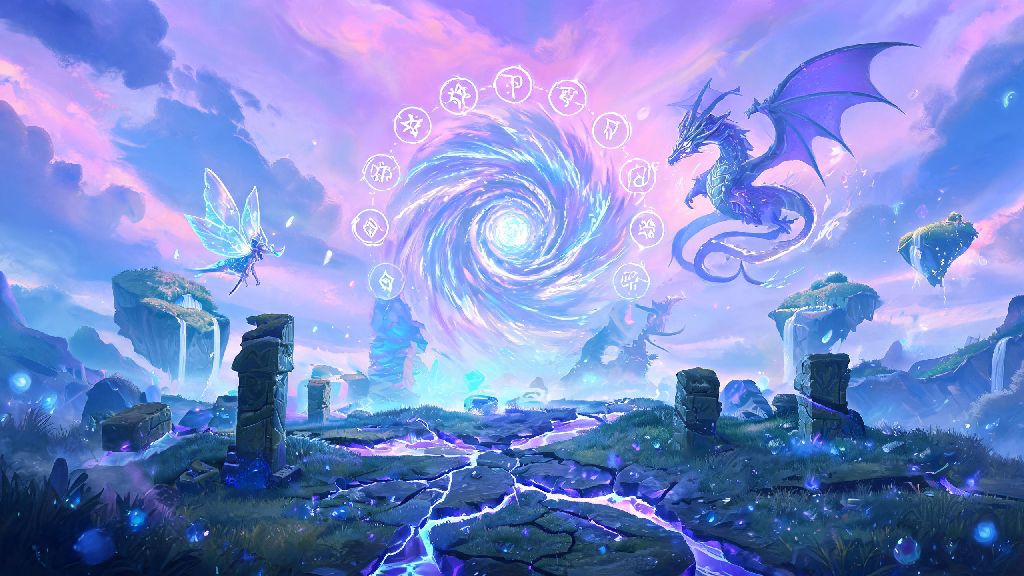
If you’ve ever queued up for a Summoner’s Rift match, scrolled through champion bios, or binged the hit Netflix show set in the LoL universe, you’ve almost certainly come across references to arcane energy. But what is the arcane in League of Legends, exactly, and why does it matter so much to both the game’s story and actual gameplay? A lot of new players brush it off as generic fantasy fluff, but it’s one of the core building blocks of every part of the Runeterra universe. I’ve spent years digging through Riot’s lore drops and testing in-game interactions, so I’m breaking down everything you need to know without the confusing jargon.
What is the Arcane in League of Legends, Core Lore Explained
At its most basic, arcane is the raw, primal magical energy that flows through every corner of Runeterra, the fictional world where all League of Legends content is set. It’s not just one single type of magic, either – it’s the source of almost all other magical forms you’ll see in the game, from light magic to elemental magic to the enchanted power that fuels Piltover’s most advanced tech.
A lot of new fans mix up Arcane the show with arcane the magic, so to be clear, the show is named after this core energy because it’s the driving force behind almost every conflict in Piltover and Zaun, the show’s primary setting. Arcane energy is neither good nor evil by nature – its impact depends entirely on who wields it and how they choose to use it.
Unlike restricted magic types like celestial or Void magic, arcane can be accessed by almost anyone, not just people born with special gifts. You can wield it through years of formal training, a natural innate talent, enchanted artifacts, or even modified Piltover tech that siphons stored arcane energy for everyday use.
Key Ways Arcane Magic Shapes In-Game Gameplay
You don’t have to be a lore nerd to feel the impact of arcane magic in your regular LoL matches. A huge number of champion abilities are directly tied to arcane energy, and understanding how it works can even help you make better play calls during ranked or casual games.
For example, Lux’s light bindings, Veigar’s burst damage, and Ryze’s realm warp all draw directly from their ability to manipulate raw arcane energy. Champions that wield arcane magic usually have high burst damage or utility kits, so if you’re playing against one, you’ll want to build magic resist early to mitigate their damage. I’ve made the mistake of skipping magic resist against a fed Veigar more times than I can count, and trust me, it’s never a good call. Even if you’re playing a tank, a fully stacked Veigar can one-shot you if you don’t have any MR built.
Arcane effects also pop up in dozens of in-game items, too. The Archangel’s Staff, for example, gives bonus ability power based on your mana, which is essentially a conduit for stored arcane energy that your champion can draw from during fights. Arcane damage is classified as magic damage in all in-game interactions, so it will never be blocked by armor, only by magic resist or magic shield effects.
Notable Arcane Wielders in the Runeterra Universe
Dozens of champions across all Runeterra regions have some connection to arcane magic, but a few stand out for their unique relationships with this powerful energy. These are the characters you’ll see referenced most often when Riot releases new lore drops or story updates:
A common misconception I see a lot is that only mages can wield arcane magic, but that’s not true. Plenty of non-mage champions use enchanted weapons or artifacts that draw from arcane energy, like Garen’s Demacian steel sword that can block magical attacks, or Caitlyn’s custom hextech rifle that fires arcane-powered bullets. You don’t need to be born with magical talent to access arcane energy – enough money, access to Piltover tech, or a lucky find of an enchanted artifact is enough for most people to use it in some form.
Common Misconceptions About Arcane in League of Legends
Since arcane is such a core part of the LoL universe, there are a lot of wrong facts floating around online that confuse new players and lore fans alike. Let’s clear up the most common ones first.
First, a lot of people think that arcane magic is the same as the magic from the Void, but that’s completely wrong. Void magic is a corrupting, alien energy that destroys arcane energy on contact, while arcane is the natural, native magic of Runeterra. They’re direct opposites, and characters that wield Void magic usually can’t access arcane energy at all, and vice versa.
Another common myth is that the Arcane show is 100% canon to the game’s lore, but Riot has confirmed that the show is a separate canonical universe, so some details about how arcane works in the show don’t line up exactly with in-game lore. For example, the unstable arcane crystals in the show are much more volatile than the regular arcane crystals referenced in older champion bios.
Arcane magic can’t bring people back from the dead, no matter how powerful the wielder is, which is a common fan theory that pops up every time a new champion is released. If you see someone claiming that a character was resurrected with arcane magic, you can safely ignore that, as it’s never been confirmed in official canon. It’s also not true that arcane magic makes you inherently evil – characters like Lux and Ryze use their arcane abilities to protect people, while characters like Veigar and Syndra use it for their own selfish goals.
At the end of the day, whether you’re here because you love the Arcane show, you want to get better at playing mages, or you just want to understand the lore behind your favorite champions, learning what is the arcane in League of Legends gives you a whole new layer of context for every part of the game. You don’t have to memorize every single detail about it to have fun playing LoL, but knowing how it works can help you make better in-game decisions and follow along with new lore drops as Riot releases them. Next time you pick a mage for your ranked match, take a second to read their bio – you’ll probably find a reference to arcane magic hiding in there somewhere.