If you’ve scrolled through gaming streams, seen viral esports clips, or heard friends brag about their ranked climb, you’ve probably asked yourself what's League of Legends at least once. Developed and published by Riot Games, this free-to-play multiplayer online battle arena (MOBA) has dominated the global gaming space for over a decade, with more than 180 million monthly active players as of the latest public data. It’s easy to get overwhelmed by its layers of strategy, massive character roster, and dedicated community when you first peek in, but this guide breaks down everything you need to know to understand what makes LoL so beloved by casual and competitive players alike.
Core Basics: What's League of Legends Built Around?
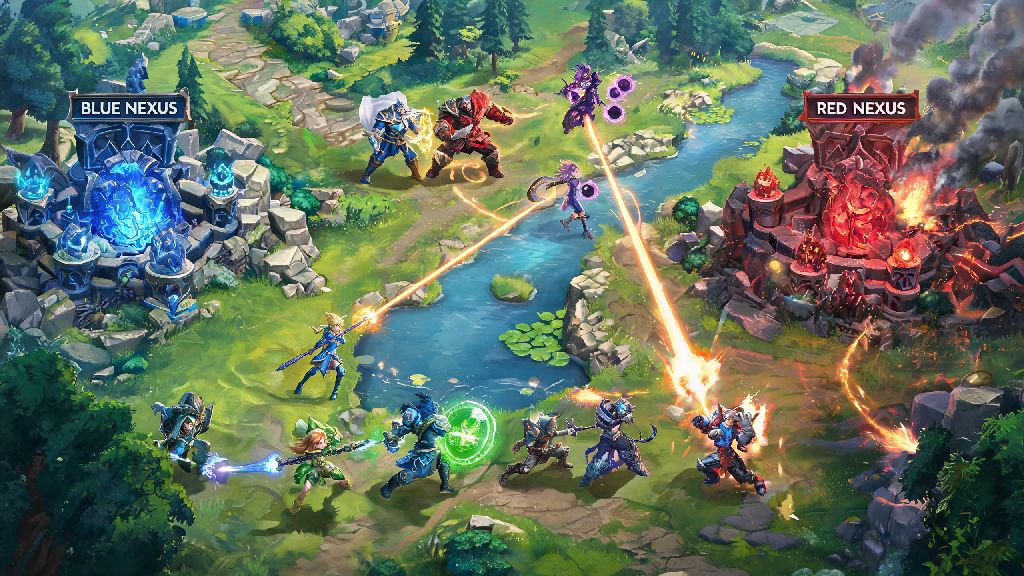
At its most basic, every standard League of Legends match is a 5v5 battle on a map called Summoner’s Rift, with the end goal of destroying the enemy team’s central base structure. The map is split into three primary lanes that connect the two team bases, plus a jungle area between the lanes filled with neutral monsters and objective buffs. The final structure you need to destroy to win is called the Nexus, which is protected by layers of turrets and inhibitor structures along each lane.
You earn gold by killing enemy minions, champions, and neutral monsters, and you use that gold to buy items that make your champion stronger as the match progresses. Experience lets you level up your abilities, making them more powerful and unlocking your ultimate ability at level 6, which is a game-changing skill unique to each champion. Most matches last between 20 and 40 minutes, and no two matches play out the same, even if you pick the same champion every time.
I’ve played over 1,200 matches over the past 7 years, and I still run into new team combinations that catch me off guard every few weeks. The biggest downside for new players is the steep learning curve, since there are over 160 champions to learn, each with their own abilities and counterplay. But Riot has added lots of new player tutorials in recent years that make the onboarding process way smoother than it was when I first started.
The 5 Core Champion Roles You’ll See in Every Match
Every standard LoL match has 10 players total, 5 per team, each filling a dedicated role that shapes their playstyle and in-game responsibilities. You don’t have to master every role when you first start, but understanding what each role does will help you follow matches and pick a playstyle that fits your preferences.
Most new players pick one or two roles to practice first, and that’s the fastest way to build consistent skill. I usually recommend new players start with support or top lane, since both roles have lower mechanical skill barriers than mid or ADC when you’re still learning the basics. You can always switch roles later once you’re more comfortable with the game’s core mechanics.
Beyond Casual Play: Esports and Community Culture
League of Legends has the largest competitive esports ecosystem of any video game in the world, with regional leagues across 12 regions feeding into the annual League of Legends World Championship. The 2023 Worlds final drew over 6.4 million peak concurrent viewers, making it one of the most watched live sporting events in the world, right alongside major traditional sports finals. Many fans follow pro leagues even if they don’t play the game regularly, drawn to the high-level strategy and underdog storylines that come with every competitive season.
Even if you have zero interest in competitive play, there’s a place for you in the LoL community. The game has multiple casual game modes, including ARAM (All Random All Mid), a chaotic 5v5 mode on a single lane where everyone gets a random champion, that’s perfect for low-pressure fun with friends. There’s also a massive fan content scene, with millions of fan art pieces, custom skin concepts, meme pages, and streamers that make the community feel welcoming even for people who only play a few times a month.
You also don’t have to spend a cent to enjoy the full game. All champions are unlockable with free in-game currency, and paid skins are 100% cosmetic with no gameplay advantages. That’s a big part of why it’s stayed so accessible for new players over the years. One important note for new players: don’t buy champions with real money when you first start. You earn enough blue essence (the free in-game currency) from leveling up and completing missions to unlock 10+ champions in your first month of play, so you can test out different playstyles before you spend any money.
Key Tips for New Players Getting Started
If you’re ready to jump in after learning what's League of Legends all about, these small tips will save you a lot of frustration in your first few matches. First, don’t stress about your win rate when you start. Even the best pro players had win rates below 50% when they were first learning, and it’s normal to lose 7 or 8 matches in a row as you get used to controls and champion abilities. You’ll learn far more from losses than you will from easy wins, so don’t let a bad match make you quit.
Second, use the practice tool to test new champions before you take them into a real match. It lets you try out abilities without the pressure of enemy players attacking you, so you can get a feel for how a champion plays before you commit to a match. Riot also has a rotating list of free champions every week, so you can test out different roles and playstyles without spending any currency to unlock them.
Third, mute toxic teammates immediately. The community is generally friendly, but there are always a few bad actors that will complain about small mistakes even in casual matches. Muting them won’t impact your gameplay at all, and it will make your experience way more enjoyable. I still mute players who start being toxic within the first 10 minutes of a match, no matter how long I’ve been playing. There’s no reason to ruin a fun game over someone else’s bad mood.
At its core, what's League of Legends is more than just a video game. It’s a social space to hang out with friends, a competitive space to test your skills, and a global cultural phenomenon that brings millions of people together every single day. You don’t have to become a ranked pro or memorize every champion ability to have fun with it. Even if you only play casual ARAM matches once a week with friends, you’ll find something to love about the world of LoL once you give it a try.