If you’ve been grinding ranked queues, testing new champion builds, or waiting for that long-overdue nerf to a busted meta pick, you’ve probably asked when is the next patch for League of Legends at least once this month. Riot Games follows a pretty consistent release cadence for LoL patches, but there are always occasional shifts for holidays, esports events, or last-minute bug fixes that can throw the standard schedule off. We’ve broken down everything you need to know to stay ahead of upcoming updates, so you never log in blind to a completely reworked meta.
How We Predict When Is the Next Patch for League of Legends
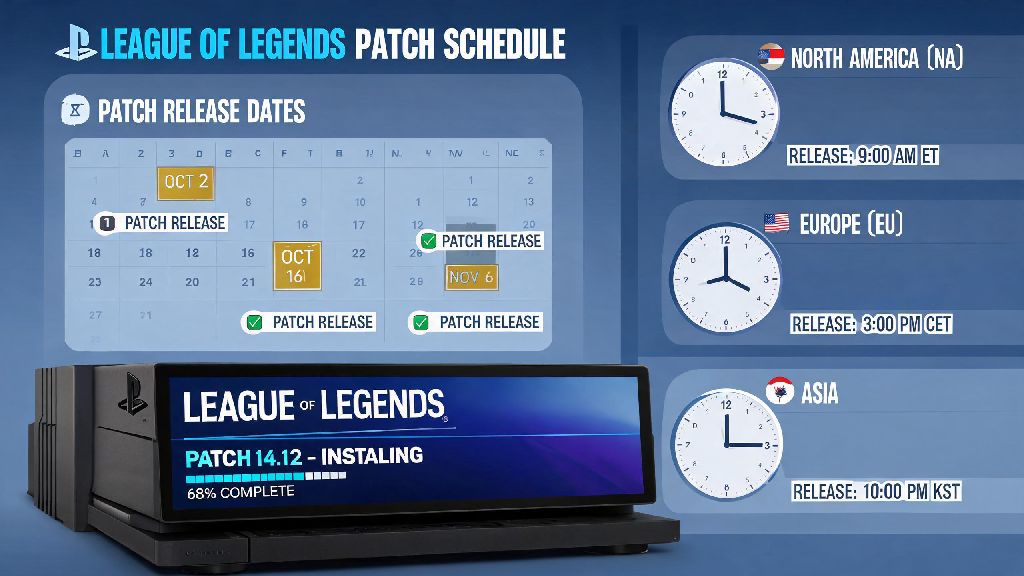
Riot’s standard patch cycle runs every two weeks, with almost all live updates dropping on Wednesdays for North American servers, Thursdays for EU West and EU Nordic & East, and Thursdays for most Asian servers. Exact rollout times vary by region, but NA patches usually go live around 6 AM ET, while EUW patches roll out at roughly 5 AM GMT. If you’re trying to pin down when is the next patch for League of Legends, the first place to check is the official seasonal patch schedule Riot posts at the start of each ranked split.
Patches almost never drop during major international esports events like the Mid-Season Invitational or World Championship, because Riot avoids shaking up the competitive meta while pro teams are playing for official titles. That means you can expect a 3 to 4 week gap between patches during these events, instead of the standard two week window. Riot will note these gaps on the seasonal schedule when it’s first released, so you can plan your ranked play around them in advance.
You can also cross-reference the official schedule with tease posts from Riot’s dev team, who usually start hinting at patch content 3 to 5 days before the scheduled release date. If there are no teases posted 48 hours before a planned patch, that’s usually a sign the release might be pushed back.
What You Can Expect From the Next LoL Patch
Every League patch follows a rough content template, even if the specific changes vary wildly from update to update. Most patches include between 10 and 20 champion balance changes, a handful of item or rune tweaks, bug fixes for existing in-game issues, and usually 3 to 5 new skins as part of an ongoing thematic line. Once or twice a split, patches will also include new champion releases, full champion reworks, or limited-time game mode launches like URF or Arena.
Balance changes are always targeted at high-win-rate outliers in both casual and ranked play, so if you main a champion that’s sitting at a 54%+ win rate across all elos, you can probably expect a tweak coming in the next update. Conversely, champions with win rates below 45% will usually get small buffs to make them more viable across skill levels. If you’ve been waiting for a specific champion adjustment, knowing when is the next patch for League of Legends will help you plan your ranked sessions accordingly.
If you’re tired of waiting for official patch notes to drop and want a low-stakes way to pass the time between updates, plenty of players turn to quick, casual games to fill the gap between ranked sessions. Many people who play competitive titles that follow set update schedules also enjoy short, round-based casual games to unwind, and Yono Rummy is a popular pick for players who want a quick, skill-based distraction that fits into the 10 to 15 minute window before a new patch goes live. It’s easy to pick up and put down, so you won’t get caught mid-game when the patch download finishes.
You can test upcoming patch changes 2 weeks early on the Public Beta Environment (PBE) if you have a PBE account, which lets you try out new champions and balance tweaks before they hit live servers. Keep in mind that PBE changes are not final, so a buff or nerf you test on PBE might be adjusted or removed entirely before the patch goes live.
How to Stay Updated on Last-Minute Patch Changes
Even if you follow the official patch schedule closely, last-minute changes or delays are not uncommon, so it’s smart to keep an eye on trusted sources for real-time updates. The best places to get accurate, up-to-date patch information include:
Always cross-reference leaked patch notes with official sources, because PBE changes are often adjusted or scrapped entirely before they make it to live servers. Riot will also post in-client notifications about upcoming patches 48 hours before release, so you’ll see a pop-up when you open the game if an update is coming soon. If you don’t see that notification on the day before a scheduled patch, it’s likely been delayed.
You can also sign up for Riot’s official patch note email newsletter, which sends the full list of changes directly to your inbox as soon as they are published. This is a good option if you don’t use social media often, or if you want to read through patch notes on your phone before you sit down to play.
Common Reasons for Patch Delays You Should Know About
While Riot sticks to its two-week patch schedule for most of the year, there are a handful of common reasons patches get pushed back by a few days or even a full week. The most frequent reason is the discovery of a critical, game-breaking bug in the final testing phase, like an exploit that lets players gain infinite gold or crash enemy lobbies. Riot will delay the patch to fix these issues before they make it to live servers, to avoid ruining the player experience.
Holiday periods are another common cause of delays. Riot’s dev team takes time off for major global holidays like Christmas, New Year’s, and Lunar New Year, so patches scheduled around these dates are usually pushed back by a week to accommodate the team’s time off. These delays are always noted on the official seasonal schedule, so you’ll know about them months in advance.
If a patch is delayed, Riot will always post an official announcement at least 24 hours before the original scheduled release time, so you don’t have to keep refreshing the client for no reason. Announcements will include the new scheduled release date, and a brief explanation of why the patch was pushed back, so you’ll know exactly when to expect the update to go live.
At the end of the day, staying on top of when is the next patch for League of Legends doesn’t have to be a guessing game, as long as you follow the standard release cadence and keep an eye on official Riot announcements. Whether you’re prepping for a ranked climb, waiting for a new skin line to drop, or just curious about upcoming meta shifts, planning around patch releases will help you get the most out of your time in Summoner’s Rift. Don’t forget to read through the patch notes before you jump into your first game post-update, so you don’t get caught off guard by an unexpected nerf to your main champion.