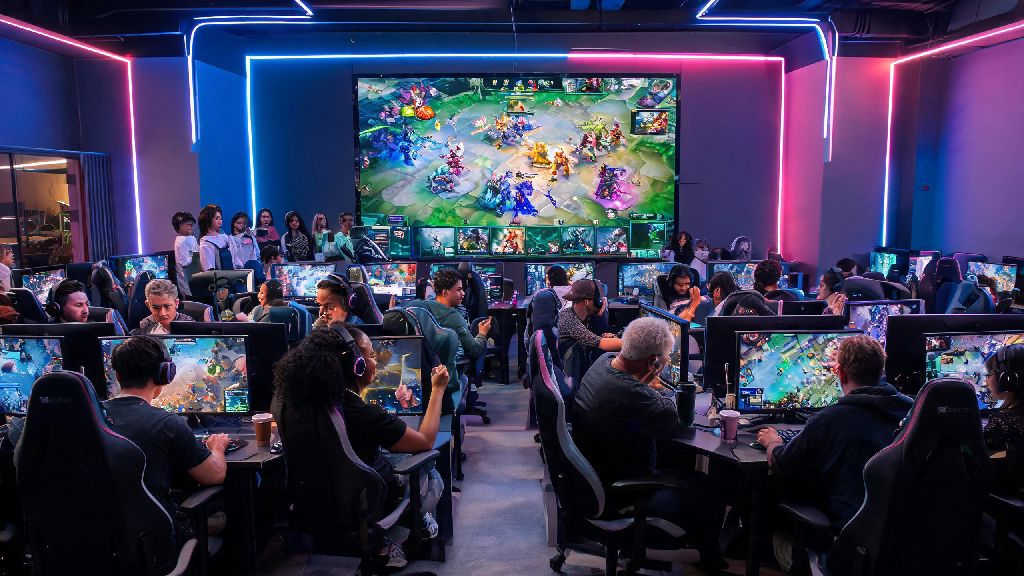
If you’ve ever walked past a gaming cafe, scrolled through Twitch, or heard friends arguing over which support main is the most toxic, you’ve probably seen evidence of League of Legends’ massive global reach. You’ve likely asked yourself at least once why is League of Legends so popular, especially when it’s often criticized for its steep learning curve and occasionally unforgiving player base. First launched in 2009, the free-to-play MOBA has grown from a small side project to one of the most played games in the world, with over 180 million monthly active players as of recent data. I’ve been playing on and off for 8 years, and I’ve seen the game grow from a niche MOBA to a global cultural phenomenon, so I’ve got a front-row seat to what makes it stick.
Core Gameplay Features That Explain Why League of Legends Is So Popular
The foundation of the game’s success lies in its accessible, flexible core design that works for almost every type of gamer. First, free-to-play access with no pay-to-win mechanics removes almost every barrier to entry. You don’t have to spend $60 to try it, and you can’t buy power that gives you an edge over other players. All champions are unlockable with free in-game currency, and paid items are only cosmetic skins that don’t affect gameplay at all.
Second, over 160 unique champions to fit every playstyle means you never run out of new ways to play. If you like being the frontline tank that protects your team, there’s a champion for that. If you prefer sitting back and dealing damage from a distance, there are dozens of options. If you just want to run around and cause chaos, there are plenty of silly, high-fun champions built for that too.
Riot also offers multiple game modes so you can play exactly how you want, no matter how much time you have or how competitive you feel:
Regular balance updates also make sure the meta never gets stale. Riot adjusts champion stats, item effects, and map rules every few weeks, so no single strategy or champion stays overpowered for long. That means even players who have been around for 10+ years still have new things to learn and try.
A Massive, Engaged Global Community That Feels Like Home
Gameplay alone wouldn’t keep millions of players coming back for over a decade. The huge, interconnected global community is what turns a regular game into a shared cultural experience. You can find League of Legends content on every social platform imaginable, from TikTok edits of funny champion interactions to Reddit threads theorycrafting the next meta build to Twitch streams of pro players and casual creators alike.
This level of shared experience is another big part of why is League of Legends so popular, even when individual matches can be frustrating. Most players queue up with friends, and the game becomes a low-effort way to stay connected with people who live far away, or to bond with new friends over shared wins and losses. Even complaining about bad junglers or toxic teammates is a shared bonding activity that almost every player can relate to.
Cross-regional community events like annual fan art contests, cosplay competitions, and Arcane viewing parties also bring players together offline and online. Many universities and local communities have their own League of Legends clubs, where players can meet up in person to play, watch esports, or just hang out. You don’t have to be a great player to fit in; there’s a corner of the community for every interest, from meme creators to roleplayers who write fan fiction about the Runeterra universe.
An Unmatched Esports Ecosystem That Appeals to Casual and Hardcore Fans Alike
League of Legends has the largest, most polished esports ecosystem of any game in the world, and it’s a huge draw for both existing players and people who have never touched the game client. Regional leagues across North America, Europe, China, and Korea run year-round, with teams of pro players competing for spots in the annual World Championship, the biggest event in the esports calendar.
The 2023 World Championship hit over 6.4 million peak concurrent viewers, making it more popular than many traditional sports championship events. The production value is on par with the NFL or NBA, with expert commentary, in-depth player profiles, and elaborate opening ceremonies featuring A-list musicians. You don’t even have to play the game to enjoy watching the matches; the high stakes and dramatic team rivalries are engaging on their own.
Amateur competitive pathways also make pro play feel accessible for regular players. You can start in local ranked ladders, move on to semi-pro regional tournaments, and work your way up to the big leagues if you’re skilled enough. Many pro players started as casual streamers or regular ranked players, which makes fans feel connected to them in a way they don’t connect to traditional sports celebrities. A lot of new players first pick up the game because they watched their favorite pro streamer or saw a viral Worlds highlight clip.
Consistent Content Updates and Cross-Media Expansion That Keep Fans Invested Long-Term
Riot doesn’t just treat League of Legends like a game; they treat it like a full media franchise, and that long-term investment is what keeps fans engaged for years. The team releases regular story updates that expand the world of Runeterra, giving each champion a rich backstory and connections to other characters in the universe. These stories are told through animated shorts, comic books, and in-game event lore that ties to new champion releases.
The biggest cross-media hit so far is Arcane, the Netflix animated series based on League of Legends characters that won four Emmy awards. It was a massive hit even with people who had never played the game, bringing millions of new players into the community who wanted to learn more about the characters they saw on screen. Riot has also released a full lineup of connected games set in the same universe, including Teamfight Tactics, Legends of Runeterra, and Valorant, so fans can engage with their favorite characters in different ways.
Player feedback integration is another big factor in long-term retention. Riot regularly surveys players, reads community feedback on Reddit and social media, and makes changes based on what players ask for. They’ve reworked outdated champions, adjusted the ranked system to be less frustrating, and even removed unpopular game features when the community pushed back. It makes players feel like their opinion matters, instead of feeling like they’re just being sold to.
Regular event passes also give players tangible rewards for playing the game they already enjoy. For a small one-time fee, you can unlock exclusive skins, emotes, and other cosmetics by completing in-game challenges during events. It feels like a good value, not a greedy cash grab, because you only pay for it if you want the rewards, and you can earn everything just by playing normally.
At the end of the day, there’s no single answer to why is League of Legends so popular. It’s a mix of accessible, flexible gameplay, a huge supportive (and occasionally chaotic) community, a world-class esports scene, and consistent updates that make the game feel fresh 15 years after launch. You don’t have to be a hardcore ranked player to enjoy it, either; you can log on for 20 minutes of ARAM with friends once a week, or just watch esports highlights on TikTok without ever touching the client. That flexibility is what sets it apart from most other games on the market, and it’s why it will likely stay a staple of the gaming world for years to come. If you’ve been curious about trying it, there’s never been a better time to jump in — you’ll almost certainly find a corner of the community that fits what you’re looking for.